
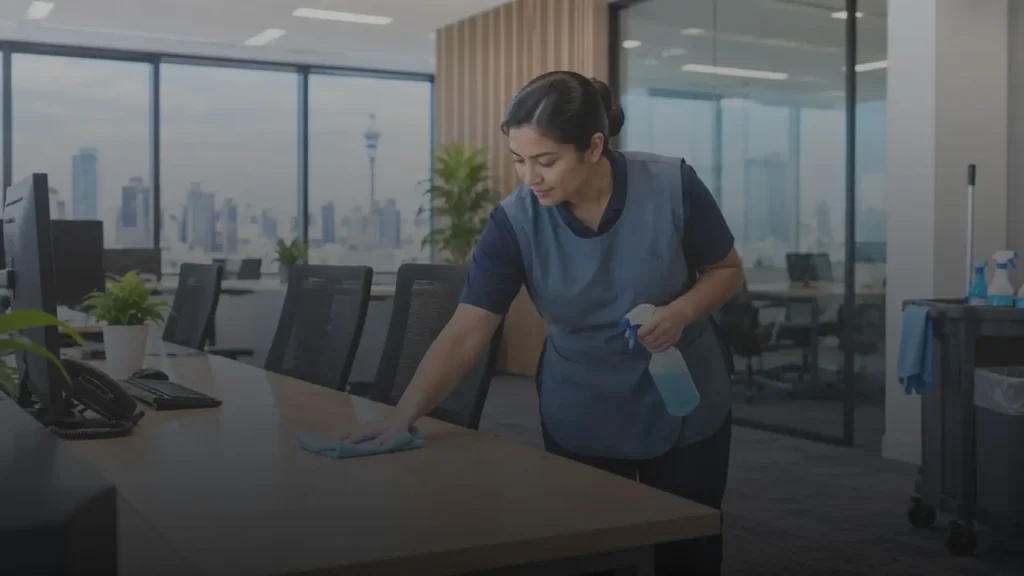
A clean corporate office is about far more than making a good impression. The right professional cleaning standards help create a workplace that is healthier, safer, more productive, and welcoming for employees, clients, and visitors.
For businesses across Auckland, maintaining a consistently clean office can have a direct impact on how people experience the workplace. Reception areas, meeting rooms, workstations, kitchens, bathrooms, and shared spaces all contribute to the overall impression of a business.
Rather than treating cleaning as an occasional maintenance task, Auckland businesses can benefit from a structured approach that sets clear expectations for hygiene, presentation, safety, and ongoing upkeep. This is where professional commercial cleaning services in Auckland can make a meaningful difference.
Why Professional Cleaning Standards Matter
Corporate offices are busy environments. Employees move between workstations, meetings take place throughout the day, visitors come and go, and shared facilities are used constantly. With that level of activity, dust, dirt, spills, clutter, and high-touch surfaces can quickly become a problem.
Without a clear cleaning routine, even a well-managed office can start to look neglected. A structured cleaning programme creates consistency and makes it easier to ensure that important areas do not get overlooked.
For Auckland businesses, professional cleaning standards should cover more than visible presentation. They should consider workplace hygiene, safety, high-traffic areas, shared surfaces, and the specific needs of the business.
Clean Offices Reflect Corporate Professionalism
An office often tells visitors a great deal about the organisation operating within it.
When a client walks through a clean reception area, into a tidy meeting room, and through a well-maintained workplace, the environment reinforces a sense of professionalism and attention to detail. On the other hand, dirty floors, dusty surfaces, marked glass, or poorly maintained amenities can quickly create a negative impression.
A consistently clean workplace helps businesses create an environment that feels organised, professional, and ready for business.
Workplace Cleanliness Influences Employee Perception
Clients are not the only people who notice workplace conditions. Employees spend a significant portion of their working day in these environments, so the standard of cleanliness matters to them too.
A clean office can help employees feel more comfortable in their surroundings and demonstrates that the organisation takes its workplace environment seriously. Clean, organised spaces can also make day-to-day operations feel more efficient and less distracting.
Understanding Modern Corporate Cleaning Expectations
Workplace cleaning expectations have changed. Appearance still matters, but businesses now place greater emphasis on hygiene, safety, shared spaces, and the overall workplace experience.
Modern office cleaning should therefore combine visible cleanliness with practical hygiene measures. This means paying attention to high-touch surfaces, shared equipment, bathrooms, kitchens, floors, and areas that may not be immediately noticeable.
For businesses developing a cleaning programme, the goal should be simple: maintain a workplace that looks professional while supporting a clean, comfortable, and well-managed environment.
Cleanliness and Hygiene Are Not the Same Thing
Cleanliness and hygiene are closely related, but they are not identical.
Cleanliness generally refers to removing visible dirt, dust, marks, and debris. Hygiene is concerned with reducing contaminants and maintaining conditions that support a healthier environment.
A professional cleaning programme should address both. An office may look tidy while still having high-touch areas that need more frequent attention, particularly in shared workplaces.
Employees Expect Higher Hygiene Standards
Workplace hygiene has become an important consideration for employees. People want confidence that shared kitchens, bathrooms, meeting rooms, workstations, and frequently touched surfaces are being properly maintained.
For office managers, this means cleaning schedules need to reflect how the workplace is actually used rather than following a one-size-fits-all routine.
Maintaining High Standards in Reception Areas
Reception is usually the first point of contact between a business and its visitors, making it one of the most important areas to keep clean.
Floors should be free of dirt and debris, entrance glass should be clear, surfaces should be dust-free, and seating should be maintained properly. Reception counters, doors, handles, and other frequently touched areas also deserve regular attention.
Reception Spaces Represent the Business
Visitors often form an impression within the first few moments of entering a workplace.
A clean reception area creates a welcoming environment and reinforces the professionalism of the organisation. Small details such as streak-free glass, clean floors, tidy furniture, and dust-free surfaces can make a noticeable difference.
Consistency Is Essential
Corporate offices do not only receive visitors at the beginning of the day. Clients, suppliers, candidates, contractors, and business partners may arrive at any time.
That makes consistency important. A workplace should not look professionally cleaned only on certain days or before important meetings. The standard should be maintained throughout the working week.
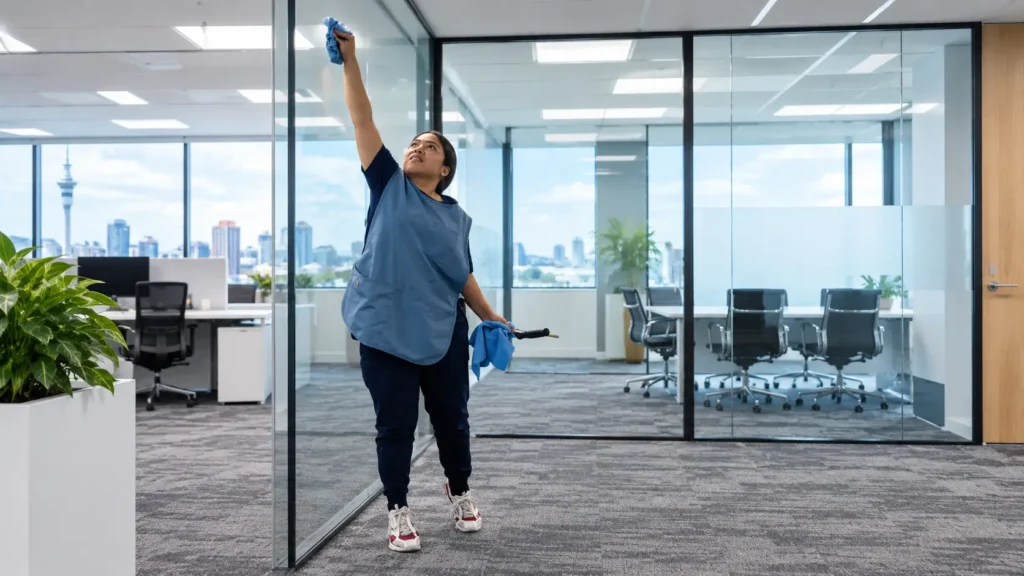
Professional Standards for Workstations and Office Areas
Workstations are at the heart of everyday office activity. They also tend to collect dust, fingerprints, food particles, and other debris.
Regular cleaning of desks, chairs, shared equipment, and nearby surfaces helps maintain a more organised and comfortable working environment.
For a broader office cleaning routine, businesses can also refer to this commercial cleaning checklist for Auckland offices for practical areas and tasks that should be considered.
Shared Workspaces Require Special Attention
Flexible working arrangements, hot-desking, and collaborative offices mean the same workstation may be used by several employees.
Shared desks, keyboards, phones, monitors, chairs, and other equipment should therefore be included in regular cleaning routines. High-touch areas deserve particular attention because they are handled repeatedly throughout the day.
The cleaning frequency should also reflect how heavily the space is used.
Dust Control Supports Workplace Presentation
Dust is one of the easiest signs of poor office maintenance to notice.
Desks, shelving, skirting boards, equipment, decorative items, and other horizontal surfaces can quickly collect dust. Regular dusting helps maintain a cleaner appearance and supports better general upkeep across the workplace.
Areas that are frequently missed, such as behind furniture, beneath desks, and around vents, should also be incorporated into deeper cleaning schedules.
Meeting Rooms Should Always Be Client Ready
Meeting rooms need to be ready for use at short notice. They may host internal meetings in the morning, a client presentation in the afternoon, and a video conference later in the day.
That means these rooms require more than a quick tidy-up.
Presentation Directly Influences Professionalism
Clean tables, organised chairs, spotless glass surfaces, and well-maintained presentation equipment help create a professional environment for meetings.
Fingerprints on glass, dust on screens, overflowing bins, or dirty floors can distract from the purpose of the meeting and undermine the overall impression of the organisation.
Technology Surfaces Need Regular Cleaning
Modern meeting rooms contain a growing number of shared devices, including touchscreens, conference phones, remote meeting equipment, keyboards, and presentation controls.
These surfaces should be considered when developing a cleaning schedule, particularly when they are used by multiple people throughout the day.
Common Areas Require Consistent Maintenance
Shared areas often experience some of the highest levels of traffic in a corporate office. Kitchens, break rooms, corridors, stairways, waiting areas, and communal facilities therefore need regular attention.
These spaces can quickly show signs of heavy use even when individual workstations remain relatively clean.
Kitchens and Break Rooms Support Employee Wellbeing
Office kitchens and staff areas should be treated as priority cleaning zones.
Benchtops, sinks, dining tables, appliance exteriors, handles, and other frequently touched surfaces should be cleaned regularly. Food waste should also be removed promptly to minimise odours and maintain a pleasant environment.
A clean break room gives employees a more comfortable place to take a break and helps maintain the overall standard of the workplace.
Shared Spaces Influence Workplace Experience
Employees notice the condition of communal facilities just as much as they notice their own workspaces.
When kitchens, lounges, meeting rooms, and other shared areas are clean and organised, the workplace feels better managed. Consistency across these spaces also reinforces the organisation’s wider standards.
Restroom Hygiene Is a Critical Cleaning Standard
Office restrooms require ongoing attention because they experience regular use throughout the day.
They should never be treated as an afterthought in a corporate cleaning programme. Clean fixtures, sanitary surfaces, stocked supplies, and a fresh environment are all part of maintaining an acceptable workplace standard.
Restrooms Reflect Organisational Standards
Employees and visitors can quickly notice when restroom cleaning standards are falling short.
Dirty sinks, marked mirrors, unclean toilets, empty soap dispensers, or overflowing bins can create an immediate negative impression, even when the rest of the office is well maintained.
Regular inspections and servicing can help prevent these issues from becoming noticeable problems.
Hygiene Requires Ongoing Monitoring
Restrooms need more than a single cleaning at the end of the day, particularly in busy offices.
Cleaning frequency should reflect usage levels, and routine checks should confirm that surfaces remain clean and essential consumables are available.
Carpet and Floor Maintenance Standards
Floors cover a large part of every office and receive constant foot traffic. Their condition has a strong influence on how clean and well maintained the entire workplace appears.
Different flooring materials also require different maintenance methods.
Clean Floors Enhance Professional Appearance
Carpets, vinyl, tile, timber, and polished concrete all have different care requirements. Routine cleaning should remove day-to-day dirt and debris, while periodic deep cleaning should address stains, buildup, and contaminants that routine cleaning may not remove.
Specialist services such as carpet cleaning, floor scrubbing, and polishing can be incorporated into a wider maintenance programme where appropriate.
Flooring Safety Is Equally Important
Cleaning and workplace safety are closely connected. WorkSafe New Zealand states that workplaces should be clean, healthy, safe, accessible, and well maintained, with floor surfaces kept in suitable condition for the work being carried out.
For offices, WorkSafe also recommends addressing spills promptly, keeping walkways clear, maintaining flooring in good condition, and scheduling cleaning at appropriate times to reduce disruption.
Businesses can review the WorkSafe New Zealand workplace and facilities requirements for further guidance.
Indoor Air Quality and Cleaning Standards
Professional office cleaning should not stop at the surfaces people can easily see.
Dust, allergens, and other particles can accumulate in carpets, upholstery, vents, high surfaces, and less frequently cleaned areas. Regular cleaning can help keep these areas under control and contribute to a cleaner indoor environment.
Air Quality Affects Employee Wellbeing
Carpets, fabric furniture, and other soft surfaces can collect dust over time. Regular vacuuming, deep carpet cleaning, upholstery care, and detailed cleaning of less accessible areas can help maintain a fresher workplace.
Cleaning programmes should also account for areas such as vents, high shelving, and spaces behind furniture where dust may accumulate unnoticed.
A Cleaner Environment Supports Productivity
A workplace that feels clean, fresh, and organised is easier to work in.
Reducing avoidable mess, dust, unpleasant smells, and poorly maintained shared areas can help create a workplace where employees can concentrate on their responsibilities rather than being distracted by their surroundings.
The Value of Professional Commercial Cleaning Services
Maintaining a consistently high standard is difficult when cleaning is treated as an occasional task.
Professional cleaning services provide structured routines, specialised equipment, appropriate products, and defined quality expectations. This can be particularly valuable for larger corporate offices where cleaning requirements vary from one area to another.
For businesses looking specifically for reliable office maintenance, professional office cleaning in Auckland can provide a structured approach built around the workplace’s schedule and requirements.
Professional Expertise Delivers Better Results
Different materials and surfaces require different cleaning methods. Professional cleaners understand how to approach carpets, hard flooring, glass, workstations, bathrooms, kitchens, and other areas without treating every surface the same way.
A structured service can also help ensure that tasks are completed consistently rather than depending on whoever happens to notice that something needs attention.
Consistency Supports Corporate Image
The biggest benefit of a professional cleaning programme is often consistency.
A workplace that is cleaned to a reliable standard every visit is easier to manage, easier to maintain, and more likely to create a positive experience for employees and visitors.
For Auckland businesses, a consistent cleaning programme can also make it easier to align cleaning activity with office hours, visitor schedules, and operational requirements.
Sustainability and Corporate Cleaning Standards
Sustainability is becoming an increasingly important consideration for businesses in Auckland.
Responsible cleaning does not necessarily mean compromising on results. It can involve choosing appropriate products, reducing unnecessary chemical use, managing waste responsibly, and using cleaning methods efficiently.
The Environmental Protection Authority notes that workplaces need to follow the relevant requirements for hazardous substances and recommends paying attention to how products are used and handled.
Businesses can also review the EPA’s guidance on protecting the environment from chemicals when considering more environmentally responsible cleaning practices. The EPA highlights options such as microfiber cleaning methods and products containing biodegradable ingredients while also emphasising appropriate care when using cleaning chemicals.
A sustainable cleaning approach should ultimately be practical, safe, and suited to the workplace rather than based on a one-size-fits-all formula.
Choosing the Right Cleaning Standard for Your Auckland Office
Every corporate office operates differently. A small professional office may have very different cleaning priorities from a large shared workspace, medical facility, or multi-level corporate building.
The right approach should consider:
- Office size and layout
- Number of employees and visitors
- High-traffic areas
- Shared workstations
- Cleaning frequency
- Business operating hours
- Flooring and surface types
- Restroom and kitchen usage
- Hygiene requirements
- Periodic deep-cleaning needs
The goal is not simply to clean more often. It is to clean the right areas at the right frequency and maintain a reliable standard over time.
Conclusion
Professional cleaning standards play an important role in creating corporate offices that are clean, safe, healthy, and professional.
From reception areas and workstations to meeting rooms, kitchens, restrooms, flooring, and shared facilities, every part of the workplace contributes to the overall experience. A structured cleaning programme helps businesses maintain these areas consistently rather than relying on occasional or reactive cleaning.
For Auckland businesses, professional office cleaning is more than a routine maintenance expense. It supports workplace presentation, employee comfort, visitor confidence, and the day-to-day operation of the business.
By setting clear cleaning standards and working with a reliable commercial cleaning provider, businesses can create workplaces that consistently reflect the quality and professionalism they want their organisation to represent.
For businesses reviewing their current cleaning arrangements, FriendlyCare’s commercial cleaning service in Auckland provides a dedicated option for maintaining consistent workplace cleaning standards.