
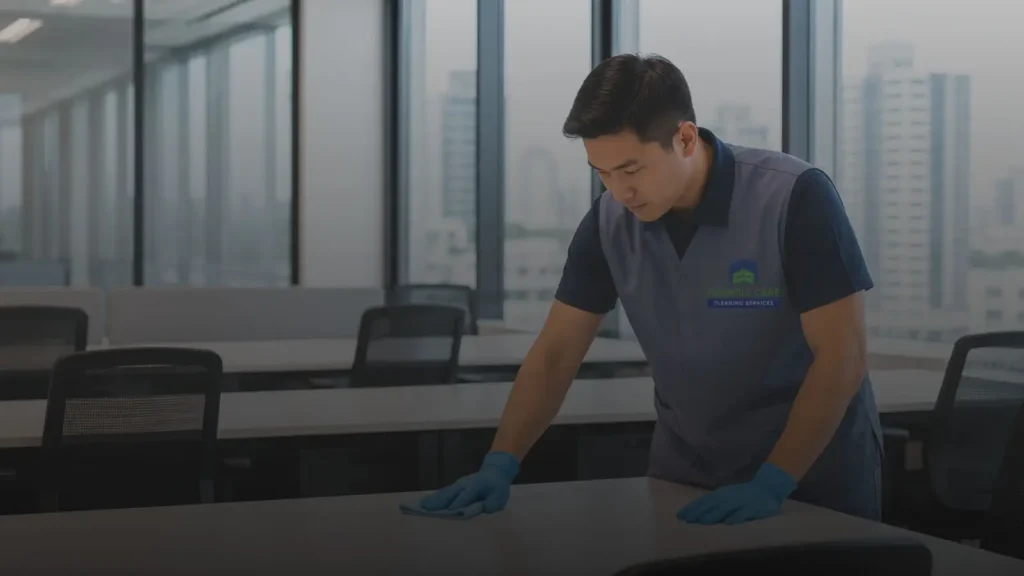
Hybrid work has changed the way modern businesses use their offices. Instead of having the same employees at the same desks every day, many Auckland workplaces now operate with a combination of remote work, office days, hot-desking, shared workspaces, and flexible schedules.
While hybrid working gives employees greater flexibility, it also changes how businesses need to approach workplace cleaning. A traditional cleaning routine based on fixed occupancy may not always be the most practical solution for a workplace where attendance changes from one day to the next.
A smarter hybrid office cleaning strategy focuses on how the workplace is actually being used. That means paying closer attention to high-traffic areas, shared spaces, meeting rooms, common facilities, and the days when office occupancy is highest.
For businesses across Auckland, the goal is not simply to clean more often. It is to create a cleaning programme that keeps the workplace consistently clean, comfortable, professional, and ready for employees, customers, and visitors.
Why Hybrid Offices Need a Different Cleaning Strategy
In a traditional office, cleaning schedules were usually straightforward. Employees worked in the same areas on a regular basis, desks were often permanently assigned, and daily occupancy was relatively predictable.
Hybrid workplaces are different.
One day, a meeting room may barely be used. The next, it could host several team meetings, client presentations, and video conferences. Shared workstations may also be used by different employees throughout the week, increasing the importance of maintaining consistent hygiene between users.
Because office activity can fluctuate significantly, cleaning schedules should reflect actual workplace usage rather than relying entirely on fixed routines. This allows businesses to focus cleaning efforts where they matter most while maintaining a consistently high standard throughout the office.
Employee Expectations Have Changed
Workplace cleanliness has become a more visible part of the employee experience. People returning to the office want to know that shared workspaces, desks, kitchens, meeting rooms, and bathrooms are being properly maintained.
A clean and organised workplace can create a stronger sense of comfort and confidence. It also contributes to the overall impression employees and visitors have of the business.
For companies looking to maintain a professional workplace environment, working with an experienced provider of commercial cleaning services in Auckland can help ensure cleaning requirements are managed consistently and efficiently.
Prioritise High-Touch Areas
One of the most important parts of a successful hybrid office cleaning strategy is giving greater attention to high-touch surfaces.
Shared environments naturally mean that surfaces such as door handles, lift buttons, light switches, desks, reception counters, kitchen appliances, and meeting room equipment may be handled by many people throughout the day.
These areas should receive regular attention as part of a wider cleaning programme.
WorkSafe New Zealand specifically recommends cleaning surfaces regularly and paying additional attention to frequently touched areas such as door handles and elevator controls.
Consistent attention to high-touch points not only supports workplace hygiene but also gives employees greater confidence when using shared facilities.
Align Cleaning Schedules With Office Occupancy
One of the biggest advantages of a hybrid workplace is that businesses can use occupancy patterns to make cleaning more strategic.
For example, some organisations may see higher attendance on Tuesdays, Wednesdays, and Thursdays, while Mondays and Fridays may have fewer employees on-site. In these situations, cleaning resources can be adjusted to reflect how and when the workplace is actually being used.
This does not necessarily mean reducing cleaning standards on quieter days. Instead, it means allocating time and resources more effectively.
A cleaning team might place greater emphasis on shared workstations, meeting rooms, kitchens, and high-traffic areas after the busiest office days, while maintaining essential cleaning across the rest of the workplace throughout the week.
Flexible Cleaning Creates Better Outcomes
Office occupancy rarely stays exactly the same throughout the year. Employee schedules can change because of seasonal workloads, new projects, business growth, staff changes, or organisational events.
A flexible cleaning programme can adapt alongside those changes.
The most effective strategy is one that can scale up when workplace activity increases and adjust when occupancy falls without compromising the overall cleanliness of the environment.
Keep Shared Workstations Clean
Hot-desking has become increasingly common in hybrid offices. Employees may no longer have permanently assigned workstations, instead choosing an available desk when they come into the office.
While this approach can make better use of available space, it also creates a greater need for consistent workstation cleaning.
A shared desk should be ready for the next employee without requiring them to question whether the previous user left the space clean.
Regular cleaning should cover desks, chairs, keyboards, mice, phones, monitors, and other frequently handled equipment where appropriate. Businesses can also encourage simple employee habits that help keep shared work areas organised between professional cleaning visits.
The combination of professional cleaning and responsible day-to-day workplace behaviour can help create a more consistent experience across shared offices.
Give Meeting Rooms Extra Attention
Meeting rooms continue to play an important role in hybrid workplaces. Even when teams collaborate remotely, face-to-face meetings remain valuable for planning, presentations, client discussions, interviews, and team communication.
Because meeting rooms may be used by several groups throughout the day, they should be included in regular cleaning schedules.
Don’t Forget Shared Technology
Modern meeting rooms often contain touchscreens, telephones, video conferencing equipment, keyboards, presentation controls, and other technology that may be handled by multiple people.
These surfaces can easily be overlooked during routine cleaning, even though they are frequently touched.
Including shared technology in the cleaning process helps maintain a cleaner environment while also keeping meeting spaces looking professional and well maintained.
Meeting Rooms Create an Important First Impression
Meeting rooms are often used for more than internal discussions. Clients, suppliers, business partners, and prospective employees may also spend time in these areas.
A clean and organised meeting room creates a better impression and ensures the space is ready whenever an important meeting takes place.
Support Employee Wellbeing With Better Workplace Hygiene
A good hybrid office cleaning strategy is about more than making a workplace look presentable. Clean and well-maintained surroundings contribute to a more comfortable overall working environment.
WorkSafe New Zealand states that workplaces should be clean, healthy, safe, accessible, and well maintained so work can be carried out without unnecessary risks to worker health and safety.
Regular cleaning can also help minimise the buildup of dirt and contaminants in frequently used areas. WorkSafe notes that poor hygiene can contribute to indirect contact transmission through contaminated objects or surfaces and recommends cleaning frequently touched areas more often.
For businesses, maintaining a clean office can therefore support both employee confidence and broader workplace health and safety practices.
Don’t Overlook Kitchens and Common Areas
Hybrid workplaces often place greater importance on shared communal areas because employees may spend more of their office time in kitchens, lounges, collaboration areas, and informal meeting spaces.
These areas can experience heavy usage, particularly on days when office attendance is highest.
Keep Kitchens and Break Rooms Fresh
Shared kitchens and staff break rooms can quickly accumulate food waste, spills, fingerprints, stains, and unpleasant odours.
Regular cleaning helps keep these spaces hygienic and comfortable while making the office a more enjoyable place for employees to spend their breaks.
A clean communal area can also contribute to a positive workplace culture by creating a more welcoming environment for employees to connect and recharge.
Maintain a Professional Reception Area
Reception is another part of the workplace that deserves consistent attention.
It may be the first area a client, supplier, job applicant, or business visitor sees when entering the office. A clean and organised reception area immediately helps communicate professionalism and attention to detail.
Maintaining reception areas to a high standard therefore supports both workplace presentation and brand perception.
Consider Professional Commercial Cleaning Services
Managing a hybrid workplace can make cleaning more complicated than it first appears. Businesses need to consider occupancy patterns, shared workstations, meeting room usage, high-traffic areas, common facilities, and changing employee expectations.
A professional cleaning provider can help build a cleaning programme around those requirements rather than applying the same routine to every workplace.
Experienced cleaning teams can assess how a space is being used and recommend a practical service schedule that matches the business’s needs.
For Auckland organisations looking for a dependable cleaning partner, FriendlyCare provides professional commercial cleaning services across Auckland, with services designed around workplace requirements, schedules, and day-to-day operations.
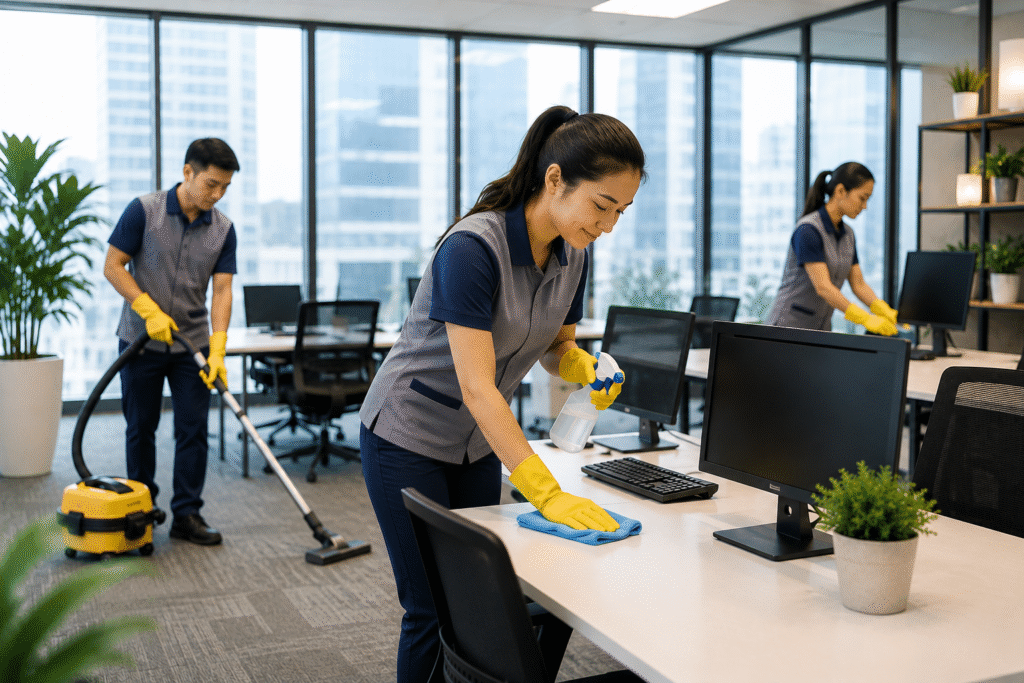
Consistency and Quality Matter
A strong cleaning programme should also include clear processes and regular quality checks.
FriendlyCare highlights structured cleaning systems, experienced cleaners, regular inspections, and services tailored to each client’s space and schedule.
For businesses, this kind of structured approach can provide greater confidence that cleaning standards are being maintained consistently rather than relying on occasional or reactive cleaning.
Make Sustainability Part of Your Cleaning Strategy
Sustainability is becoming an increasingly important consideration for businesses across Auckland.
Cleaning is one area where organisations can make more responsible choices through practical decisions around products, water usage, waste, and chemical management.
The Environmental Protection Authority New Zealand recommends reading product labels carefully, following instructions, using only what is needed, and considering products with fewer hazardous chemicals or biodegradable ingredients where appropriate.
Businesses should also ensure that cleaning products are handled safely and appropriately. The EPA provides information about hazardous substances and the controls that can apply to cleaning products used in workplaces.
Sustainable cleaning practices can support environmental goals while also demonstrating that a business takes its wider responsibilities seriously.
Build a Long-Term Hybrid Office Cleaning Strategy
Hybrid working is no longer simply a temporary workplace arrangement. For many businesses, flexible working has become part of their long-term operating model.
Cleaning strategies should evolve accordingly.
Businesses should regularly review how their offices are being used and whether their existing cleaning schedules still make sense. Changes in staff attendance, workplace design, hot-desking, meeting room usage, business growth, and employee expectations can all affect cleaning requirements.
A regular review allows businesses to identify areas that may need more attention and adjust their cleaning programme before small issues become larger problems.
A Cleaner Workplace Supports Better Business
Cleanliness may seem like a small part of daily business operations, but it can have a meaningful impact on the overall workplace experience.
A well-maintained office helps employees feel more comfortable, gives visitors a better impression of the business, supports professional presentation, and contributes to a workplace environment that is ready for daily operations.
Conclusion
Hybrid working has changed how businesses use their offices, and cleaning strategies need to change with them.
Fluctuating attendance, shared workstations, flexible schedules, meeting rooms, and communal areas all create new demands that traditional fixed cleaning routines may not fully address.
A modern hybrid office cleaning strategy should focus on how the workplace is actually used. By prioritising high-touch surfaces, adapting cleaning schedules around occupancy, maintaining shared workstations, giving meeting rooms and common areas proper attention, and working with experienced commercial cleaning professionals, Auckland businesses can maintain cleaner and more welcoming workplaces.
The goal is not simply to clean more. It is to clean smarter, using the right approach for the way modern workplaces operate.
For Auckland businesses embracing hybrid work, investing in a thoughtful cleaning strategy can help create an office environment where employees feel comfortable, visitors feel confident, and every working day begins in a clean, professional space.