
7 Common Areas Maintenance Tips Every Auckland Business Should Follow
Common areas are some of the most frequently used spaces in any commercial property. From reception areas and building lobbies to hallways, shared kitchens, meeting spaces, and restrooms, these areas experience constant daily activity from employees, clients, visitors, and contractors.
Despite their importance, common areas are often overlooked until visible problems arise. Dirty floors, worn surfaces, overflowing bins, poorly maintained facilities, or neglected shared spaces can quickly affect workplace presentation, employee satisfaction, and client perceptions.
For businesses across Auckland, New Zealand, maintaining common areas is not simply about appearance. It is about creating a safe, professional, and welcoming environment that reflects positively on the organisation while supporting employee wellbeing and operational efficiency.
Whether you manage an office building, commercial facility, educational institution, healthcare practice, or retail premises, following a proactive maintenance strategy can help preserve the condition of shared spaces and create a better experience for everyone who uses them.
Why Common Area Maintenance Matters
Common areas are often the first and last spaces people encounter when visiting a workplace.
Unlike private offices or restricted areas, shared spaces are highly visible and heavily used throughout the day. Their condition can significantly influence first impressions and shape how employees, customers, and visitors perceive a business.
A clean and well-maintained environment demonstrates professionalism, attention to detail, and a commitment to providing a positive workplace experience.
On the other hand, neglected common areas can create safety concerns, reduce employee morale, and damage an organisation’s reputation.
The Impact on Workplace Experience
Employees spend a significant portion of their day interacting with common areas. They walk through corridors, use shared kitchens, attend meetings, and access communal facilities multiple times throughout the workday.
When these spaces are clean, organised, and properly maintained, they contribute to a more positive and productive workplace environment.
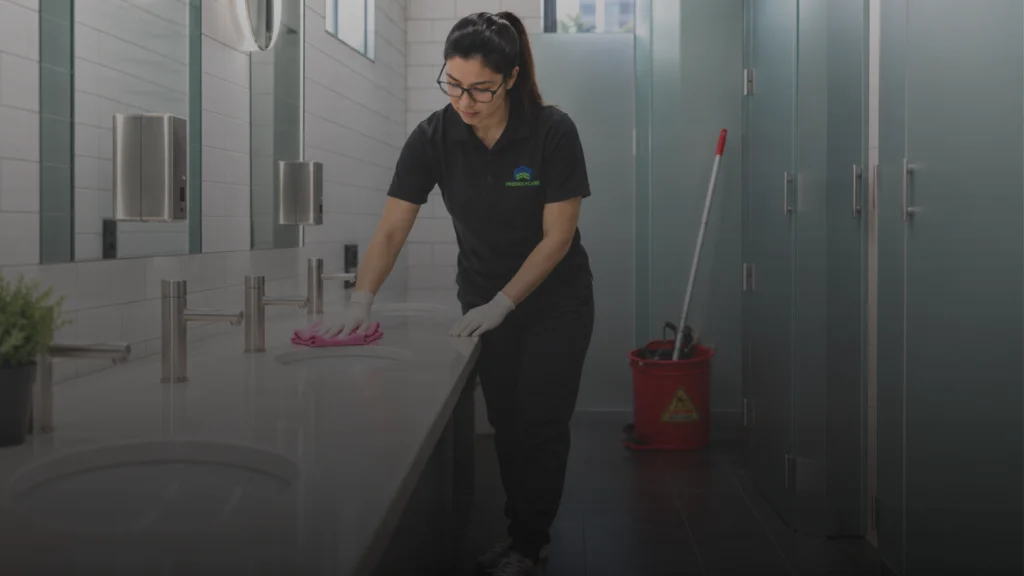
Businesses that invest in maintaining shared spaces often benefit from improved employee satisfaction, stronger workplace culture, and a more professional image. Professional restroom cleaning and disinfection for clean, hygienic common areas.
Tip 1: Prioritise Daily Cleaning of High-Traffic Areas
One of the most effective ways to maintain common areas is through consistent daily cleaning.
High-traffic spaces naturally accumulate dirt, dust, moisture, and debris more quickly than other parts of a building. Without regular attention, these areas can quickly begin to look worn and uninviting.
Focus on Areas People Use Most
Reception areas, entrances, hallways, lift lobbies, break rooms, and communal facilities should be cleaned regularly to maintain presentation and hygiene standards.
Frequent cleaning helps prevent dirt buildup and ensures that common areas remain presentable throughout the day.
In busy Auckland workplaces, weather conditions can also contribute to increased dirt and moisture being tracked indoors, making routine cleaning even more important.
First Impressions Depend on Clean Shared Spaces
Visitors often form opinions about a business before interacting with employees.
A clean entrance, polished floors, and tidy reception area help create an immediate sense of professionalism and care. These positive first impressions can influence trust and confidence from the moment someone enters the building.
Tip 2: Keep Floors Safe and Presentable
Flooring is one of the most visible elements within any common area.
Whether a property features carpet, vinyl, timber, concrete, or tiled surfaces, maintaining flooring is essential for both appearance and safety.
Address Wear and Tear Early
Heavy foot traffic can cause gradual wear, staining, scratches, and surface deterioration.
Regular inspections help identify issues before they become major problems. Addressing minor damage early can extend the lifespan of flooring materials and reduce long-term maintenance costs.
Professional floor cleaning and maintenance services can also help preserve the appearance of high-traffic areas while protecting valuable flooring investments.
Prevent Slip and Fall Hazards
Floor maintenance is not only about aesthetics.
Wet surfaces, loose flooring materials, and accumulated debris can increase the risk of slips and falls. Maintaining safe walking surfaces helps protect employees and visitors while supporting workplace health and safety obligations.
Businesses can access workplace safety guidance through WorkSafe New Zealand.
Tip 3: Maintain Clean and Hygienic Shared Facilities
Shared facilities play an important role in employee comfort and visitor satisfaction.
These spaces often receive frequent daily use and require ongoing attention to maintain hygiene standards.
Kitchens and Break Areas Require Regular Care
Communal kitchens are among the busiest areas within many workplaces.
Food preparation surfaces, appliances, sinks, and dining areas can quickly become untidy if not cleaned consistently. Maintaining cleanliness helps prevent unpleasant odours, reduce the spread of germs, and create a more enjoyable environment for employees.
A well-maintained break room also encourages employees to take proper breaks, which can support wellbeing and productivity.
Restrooms Reflect Overall Workplace Standards
Restroom cleanliness often has a significant impact on how people perceive a workplace.
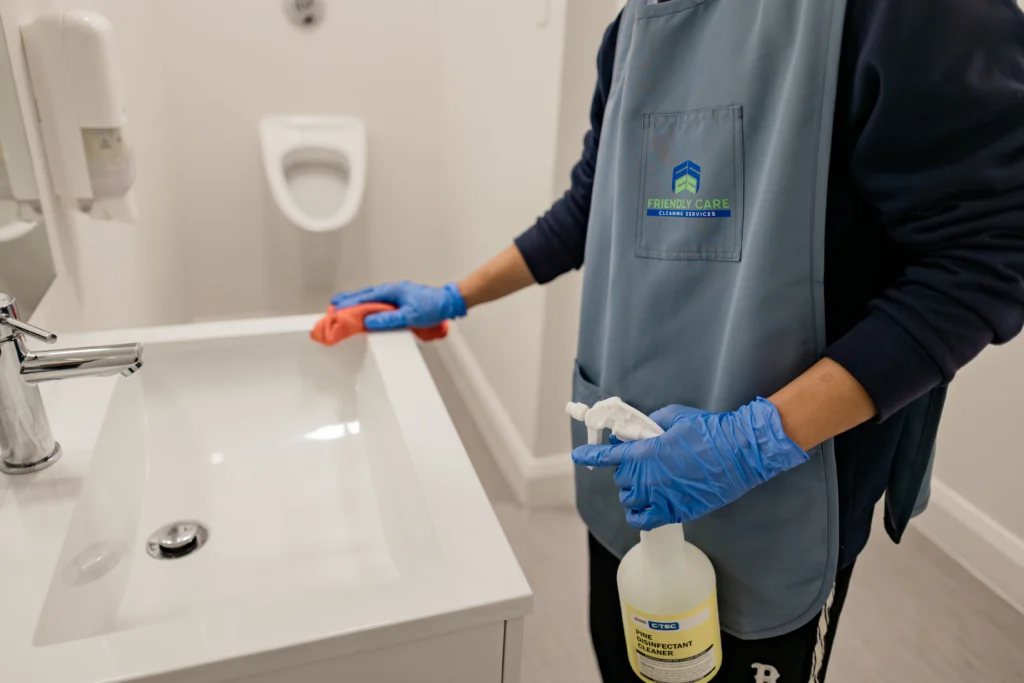
Employees and visitors frequently view restroom conditions as a reflection of the organisation’s overall attention to detail. Clean facilities, stocked supplies, and regular maintenance help create a positive impression while supporting hygiene and comfort.
Tip 4: Inspect and Maintain Lighting Regularly
Lighting plays a crucial role in the functionality, safety, and appearance of common areas.
Poorly lit spaces can create an unwelcoming atmosphere while increasing the risk of accidents and reducing visibility.
Well-Lit Spaces Feel More Professional
Bright and properly maintained lighting helps create a welcoming environment for employees and visitors.
Reception areas, corridors, stairwells, and parking areas should be inspected regularly to ensure lighting remains functional and effective.
Prompt replacement of faulty bulbs and fixtures helps maintain a professional appearance throughout the property.
Lighting Contributes to Safety
Adequate lighting is particularly important in stairways, entrances, and emergency exit routes.
Maintaining visibility helps reduce safety risks while ensuring compliance with workplace safety requirements.
Tip 5: Protect Indoor Air Quality
Many businesses focus on visible cleanliness while overlooking the importance of indoor air quality.
However, air quality can significantly affect employee comfort, wellbeing, and productivity.
Dust and Allergens Accumulate Over Time
Carpets, upholstery, ventilation systems, and shared spaces can collect dust, pollen, and airborne contaminants.
Without regular cleaning and maintenance, these particles may contribute to respiratory discomfort and reduced workplace comfort.
Routine cleaning helps minimise dust accumulation while supporting healthier indoor environments.
Ventilation Systems Need Attention Too
Air conditioning and ventilation systems play an important role in maintaining indoor air quality.
Regular inspections and servicing help ensure these systems operate efficiently and distribute clean air throughout the workplace.
Tip 6: Address Minor Repairs Before They Become Major Problems
One of the most common mistakes businesses make is postponing small maintenance tasks until they become larger and more expensive issues.
A proactive approach can significantly reduce repair costs while preserving workplace presentation.
Small Problems Can Escalate Quickly
Loose door handles, damaged wall surfaces, leaking taps, cracked tiles, and worn furniture may seem insignificant initially.
However, when left unattended, these issues can worsen over time and affect the overall condition of common areas.
Routine inspections help identify maintenance concerns early and allow businesses to take corrective action before significant damage occurs.
Consistent Maintenance Protects Property Value
Commercial properties represent valuable assets.
Maintaining shared spaces helps preserve the overall condition of the building while protecting long-term property value and reducing future capital expenditure.
Tip 7: Create a Scheduled Maintenance Plan
The most effective common area maintenance programmes are proactive rather than reactive.
Waiting until problems become visible often results in higher costs and greater disruption.
Consistency Is Key
A structured maintenance schedule helps ensure that cleaning, inspections, repairs, and servicing are completed regularly.
Scheduled maintenance allows businesses to address issues systematically while maintaining consistently high standards throughout the workplace.
This approach also helps facility managers allocate resources more effectively and minimise unexpected maintenance expenses.
Preventative Maintenance Delivers Long-Term Benefits
Businesses that implement preventative maintenance programmes often experience fewer disruptions, lower repair costs, and improved workplace presentation.
Over time, these benefits contribute to better operational efficiency and a more positive experience for employees and visitors alike.
The Role of Professional Cleaning and Maintenance Services
While employees can assist with keeping workspaces tidy, professional cleaning and maintenance providers offer expertise that helps businesses achieve consistently high standards.
Experienced service providers understand how to maintain different materials, surfaces, and facilities effectively. They can also identify potential issues before they become costly problems.
For businesses managing larger commercial properties or multi-tenant buildings, professional support can be particularly valuable in maintaining common areas efficiently and consistently.
Why Professional Standards Matter
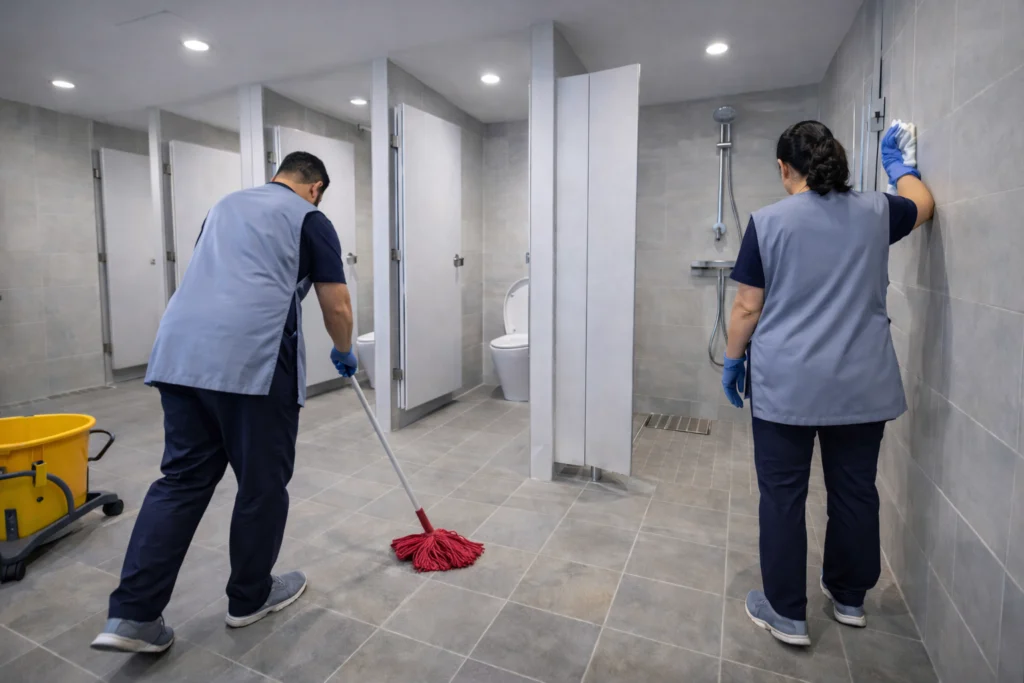
Professional maintenance services help ensure that common areas remain clean, safe, and visually appealing throughout the year.
This consistency supports workplace health, enhances presentation, and contributes to a positive experience for everyone who uses the facility.
Sustainability and Common Area Maintenance
Environmental responsibility is becoming an increasingly important consideration for Auckland businesses.
Many organisations are adopting sustainable maintenance practices that reduce waste, improve energy efficiency, and minimise environmental impact.
The New Zealand Environmental Protection Authority provides information on environmentally responsible practices and cleaning products through Environmental Protection Authority New Zealand.
By incorporating sustainable maintenance strategies, businesses can support both environmental goals and operational efficiency.
Conclusion
Common areas are often the most visible and frequently used spaces within a commercial property. Their condition directly influences workplace presentation, employee satisfaction, visitor experience, and overall business reputation.
By prioritising regular cleaning, maintaining flooring, ensuring hygiene in shared facilities, inspecting lighting, protecting indoor air quality, addressing repairs promptly, and implementing a preventative maintenance schedule, businesses can create cleaner, safer, and more professional environments.
For Auckland organisations, effective common area maintenance is not simply a facility management responsibility. It is an investment in workplace quality, operational efficiency, and the experience of every employee, customer, and visitor who walks through the door.
Businesses that consistently maintain their shared spaces are better positioned to create positive impressions, support employee wellbeing, and uphold professional standards that contribute to long-term success.